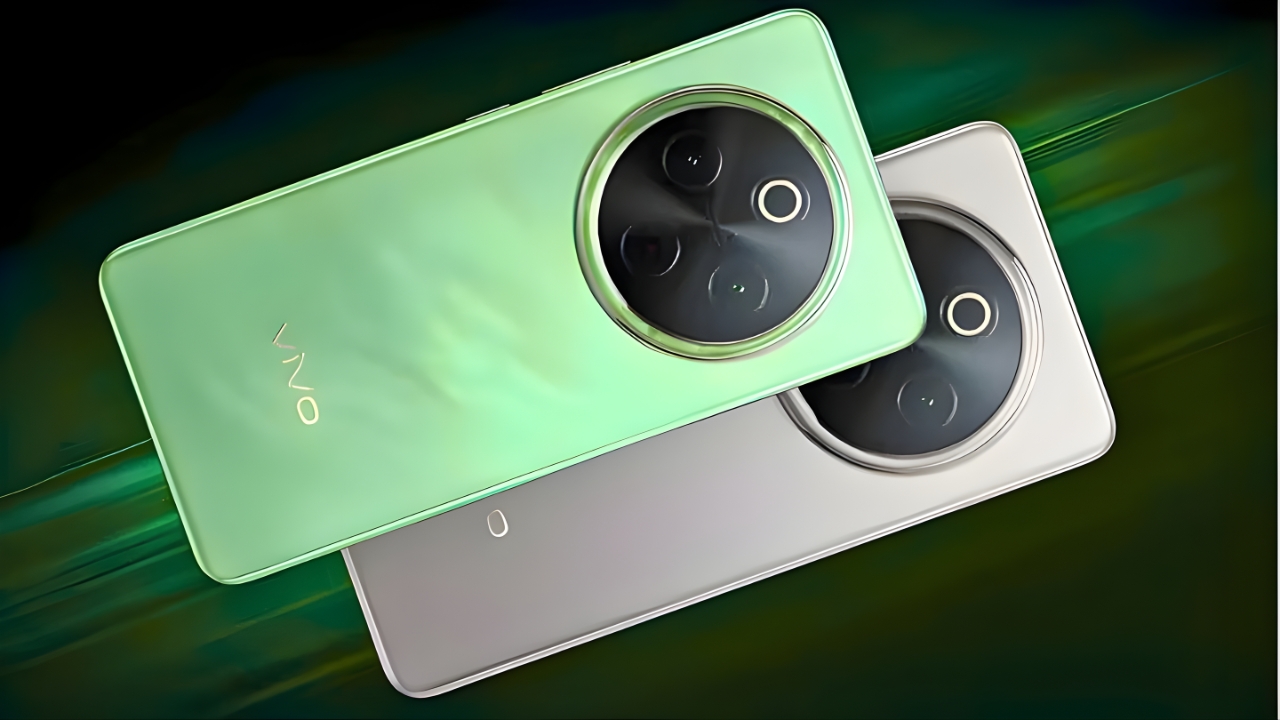
The Indian smartphone market is once again witnessing discussions about an upcoming price adjustment, this time involving Vivo and its performance-focused sub-brand iQOO. Industry sources and retail partners suggest that several models from both brands could see a price hike beginning March 2026. While the companies have not officially confirmed the revised pricing structure at the time of writing, multiple market indicators point toward an imminent change.
Vivo has built a strong presence in India across the mid-range and premium segments, while iQOO has carved a niche among performance enthusiasts looking for powerful processors and gaming-ready features at competitive prices. If the anticipated price increase goes into effect, it could influence buying decisions across various segments, especially among budget-conscious consumers.
Why Are Smartphone Prices Increasing?
Price revisions in the smartphone industry are rarely random. Several economic and industry-specific factors often contribute to such decisions. One of the primary reasons behind potential price hikes is the fluctuation in component costs. Semiconductor prices, display panels, camera modules, and battery components have experienced volatility over the past year due to global supply chain adjustments.
Currency exchange rates also play a crucial role. Since a significant portion of smartphone components is imported, any depreciation in the Indian rupee against major global currencies can increase overall production costs. Brands may absorb part of the increase initially, but sustained cost pressures eventually reflect in retail pricing.
Additionally, logistics expenses, rising manufacturing costs, and adjustments in import duties can influence final product pricing. Companies sometimes revise prices at the start of a new financial cycle, and March often becomes a strategic month for such recalibrations.
Impact on Vivo’s Popular Models
Vivo’s portfolio spans entry-level 5G devices to premium camera-centric smartphones. Models that have been aggressively priced to capture market share may be among the first to see upward adjustments. Retailers indicate that mid-range 5G devices with high-refresh-rate displays and advanced camera systems could experience moderate price increases.
For buyers considering a Vivo handset for photography, battery endurance, or stylish design, the timing of purchase could become important. If the anticipated hike takes effect, even a marginal increase of ₹500 to ₹1,500 can shift buyer preference toward competing brands offering similar specifications at lower prices.
Vivo has historically maintained competitive pricing in India, often running festive offers and exchange bonuses. However, once base prices are revised upward, promotional discounts may not fully offset the increase.

iQOO’s Performance Segment Could Be Affected
iQOO has earned recognition for delivering powerful processors, high refresh rate displays, and large batteries at aggressive price points. Gaming enthusiasts and power users have been especially drawn to its value-for-money positioning. A price revision could slightly alter that balance.
Devices equipped with flagship-level chipsets, high RAM configurations, and advanced cooling systems may see incremental hikes. While performance-driven users may still find value in iQOO devices, budget-focused buyers could reconsider if price differences widen against rival brands.
Market experts believe that iQOO may attempt to retain its competitive edge by introducing limited-period offers, bundled benefits, or bank discounts to soften the perceived impact of any price change.
Retailers Prepare for Inventory Adjustments
Offline retailers often receive advance communication about price revisions. According to market chatter, some distributors have already advised partners to prepare for updated price lists effective March 2026. In such scenarios, stores sometimes encourage customers to finalize purchases before the revised pricing becomes active.
E-commerce platforms may also update pricing simultaneously. Online flash sales or special promotions could temporarily maintain old prices until fresh stock arrives with revised tags.
This transition phase usually creates a brief window where buyers can still secure devices at existing prices before the hike is implemented.
How Much Could Prices Increase?
While exact figures remain speculative, industry insiders suggest that the increase may range between 3 percent and 7 percent depending on the model category. Entry-level devices may witness smaller increments to remain competitive, while premium variants with higher margins could see slightly larger adjustments.
For example, a smartphone currently priced at ₹15,999 could move closer to ₹16,499 or ₹16,999 after revision. Higher-end models priced around ₹30,000 might see increases of ₹1,000 to ₹2,000. These changes, though not drastic, can influence perception in a price-sensitive market like India.

Consumers who are planning purchases for gifting, personal upgrades, or business needs may prefer to act before March if the increase becomes official.
Competitive Landscape and Market Reaction
The Indian smartphone market is intensely competitive, with brands frequently adjusting pricing strategies to maintain momentum. If Vivo and iQOO implement a hike, competing brands may either follow suit due to similar cost pressures or capitalize on the opportunity by maintaining current price points.
Sometimes price revisions are also linked to refreshed models entering the market. Companies may increase prices of existing stock to align with newer variants featuring upgraded specifications.
Consumer response will ultimately determine how long revised pricing remains stable. If demand slows significantly, brands could reintroduce promotional offers to stimulate sales.
Should Buyers Purchase Now or Wait?
This question depends largely on individual requirements. If a consumer urgently needs a smartphone, waiting for price clarity may not be practical. However, buyers planning to upgrade in the coming months might consider finalizing their purchase before March 2026 to potentially avoid higher prices.
On the other hand, some consumers may choose to wait for new launches that often accompany revised pricing cycles. New models sometimes deliver better specifications at comparable or slightly higher prices, offering improved long-term value.
Evaluating current offers, exchange bonuses, and bank discounts can also help offset any possible future price increase.
Broader Trend in Smartphone Pricing
The potential March 2026 revision fits into a broader industry pattern where smartphone brands periodically adjust prices based on market conditions. Over the past few years, manufacturers have navigated supply disruptions, rising raw material costs, and evolving consumer demand.

While occasional price hikes are part of business strategy, brands must balance profitability with affordability. Indian consumers remain highly price-sensitive, and even small changes can impact purchasing decisions.
Vivo and iQOO have built strong brand loyalty by delivering feature-rich devices at competitive prices. Maintaining that reputation while adjusting pricing will require strategic planning and customer engagement.
What to Watch in the Coming Weeks
The next few weeks will likely bring official clarity from company representatives or updated listings across retail platforms. Buyers should monitor announcements carefully, especially if they have shortlisted specific models.
Retail discounts around financial year-end sales may also provide an opportunity to purchase at current rates before new prices come into effect. Staying informed and comparing options across both online and offline channels will help consumers make well-timed decisions.
Final Verdict
The possibility of Vivo and iQOO smartphone prices increasing in March 2026 has created notable buzz in the market. While the expected hike may not be dramatic, even moderate adjustments can influence buying decisions in a competitive environment.
Consumers planning to purchase a device soon may benefit from acting before revised pricing becomes official. However, waiting for new launches or promotional offers could also provide alternative value. Careful timing and informed decision-making will be key for buyers navigating this transition.
Disclaimer
This article is based on industry trends, retailer discussions, and market expectations regarding potential price revisions. Official confirmation from the brands may differ from current projections. Readers are advised to verify pricing and offers through authorized retail channels before making any purchase decision.
